Mold Removal in Oakland Park, FL
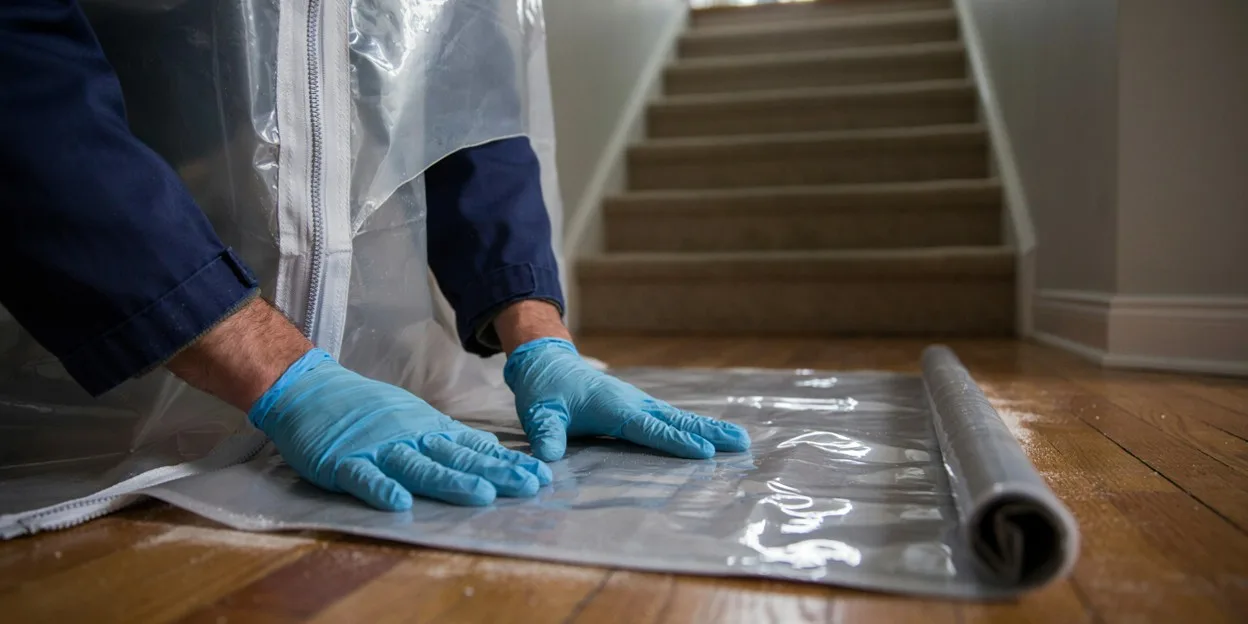
Oakland Park's older neighborhoods are full of small mid-century homes: one story, low slab, jalousie windows long since replaced, and a bathroom that was tiny to begin with. Many were built with a wall unit or no air conditioning at all, and the central system came later, tucked into a closet or a garage corner with a drain line that runs wherever it could fit.
Then there is the water. Oakland Park shares a city line with Fort Lauderdale, and the April 12, 2023 storm that put close to 26 inches of rain on Fort Lauderdale and the areas around it did not stop at that line. Low blocks took water at the slab, and the humid spring air that followed did not help anything dry.
Homeowners in Oakland Park who call us reach an independent local mold provider. That provider comes out, looks, and does the work.
Requests that come from Oakland Park addresses
A small original bathroom with a weak fan is the reason bathroom mold removal leads the list here. Dark growth on a closet wall or under a window brings calls for black mold removal, and the provider sizes the job by how far the moisture went, not by the color. Owners of homes that took water in 2023 and still smell off call for mold odor removal, and the crew usually finds something behind the walls that never dried.
Permits, and which utility serves your block
The city's Building and Permitting Services Division at 1100 Park Lane East issues permits for drywall, plumbing, and roof work using the Broward County uniform permit application. Ask the division whether the rebuild after a mold job needs a permit; drywall and plumbing replacement often do.
Water service is split by neighborhood. The city's Utility Billing Services covers most of Oakland Park, but North Andrews Gardens and Lakeside get water from Broward County, and Twin Lakes South is served by Fort Lauderdale. Know which one you have before you call about a suspected leak.
Call (954) 519-7189 now and tell us what you see. A local mold provider serving Oakland Park picks up from there.
Services Available in Oakland Park
Mold Removal
Containment, negative air, HEPA filtration, and removal of affected drywall, trim, and insulation, then cleaning and drying.
Black Mold Removal
Heavier dark growth handled with full containment and protective gear. Color does not identify the species, and the process does not change.
Whole-Home Mold Remediation
Full containment, negative air, and room-by-room removal after a flood, a long roof leak, or a house that sat closed through a wet summer.
HVAC Mold Cleaning
Air handler, coil, and duct cleaning when the smell shows up every time the air conditioning runs.
Attic Mold Remediation
Roof-deck and truss mold from roof leaks, blocked soffits, or ducts sweating in a hot attic.
Bathroom Mold Removal
Mold in drywall, ceilings, grout, and behind vanities from steam and slow leaks, the most common first call.
Mold Odor Removal
Finding and removing the source of a musty smell that survived cleaning, then treating the air and surfaces so it does not come back.
Mold Damage Repair
Drywall, baseboard, insulation, and cabinet bottoms put back after removal, with the moisture source fixed before anything is closed up.