Mold Removal in Hollywood, FL
Hollywood Lakes, east of US 1, is the city's oldest neighborhood, with houses that date to the 1920s through the 1940s. Then Hollywood Boulevard was extended west in 1954, and by the start of the 1960s the city counted more than 12,000 single-family homes. Many of those postwar houses still have their original window frames, cast iron drains, and plaster over block.
Old plumbing is the quiet culprit in these homes. A pinhole in a supply line inside a wall can wet the plaster for a year before the paint blisters. Close to the Intracoastal, low lots also hold water after a heavy rain, and slab floors stay damp longer than the tile on top suggests.
Homeowners in Hollywood reach this site by phone and are passed to an independent local mold provider. The provider comes out, looks at the house, and says what should happen next.
Requests that come in from Hollywood
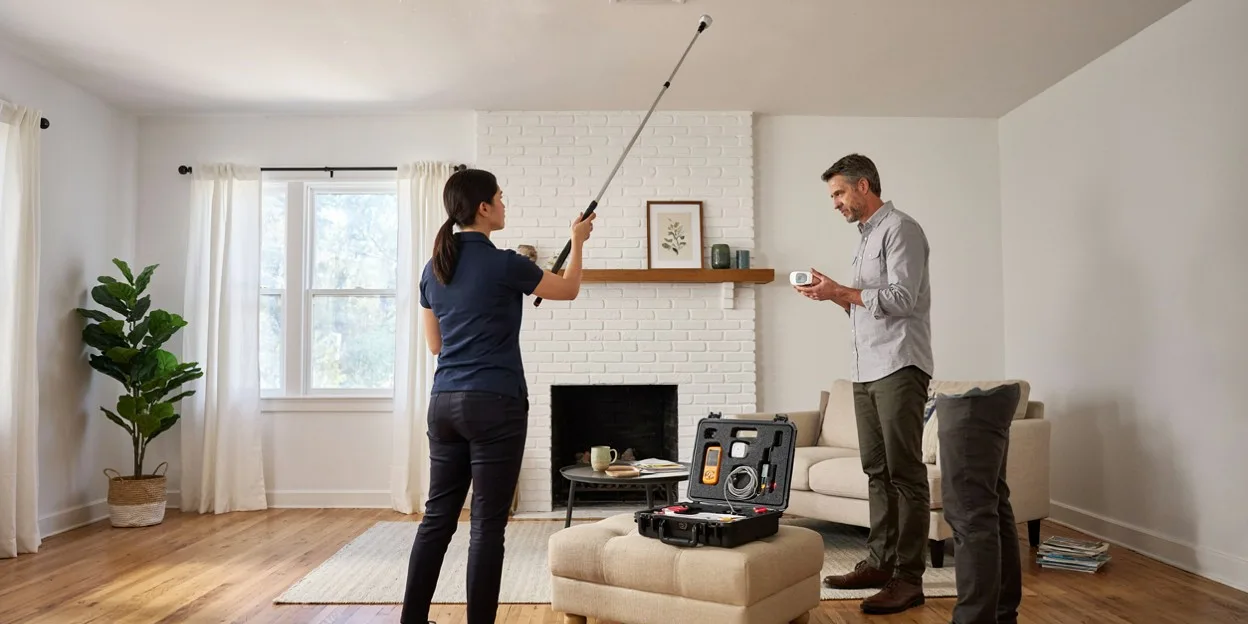
Older walls hide old leaks, so a mold inspection with moisture readings is where most Hollywood jobs begin. A dark patch on a bathroom ceiling or behind a vanity in a 1950s bath becomes a black mold removal request, though color alone says nothing about the species. When growth has spread through plaster or drywall, mold removal with containment keeps dust out of the rest of the house while the material comes down.
Permits and the water utility in Hollywood
The Building Division works from Room 319 at City Hall, 2600 Hollywood Boulevard. Through ePermitsOneStop, a homeowner or contractor can file a Hollywood permit and any related Broward County permit in one submission, which matters when a rebuild touches plumbing and structure at once.
Hollywood's Department of Public Utilities serves more than 140,000 residents from wells in the Biscayne and Floridan aquifers. A sudden jump on the water bill is often the first hint of a hidden leak in one of these older houses.
Call (000) 000-0000 to be connected with a local mold provider serving Hollywood.
Services Available in Hollywood
Mold Inspection
A visual inspection with moisture readings to find the source, the extent, and whether testing is needed.
Mold Removal
Containment, negative air, HEPA filtration, and removal of affected drywall, trim, and insulation, then cleaning and drying.
Mold Testing and Air Sampling
Air and surface samples sent to a lab, done by a licensed Florida mold assessor separate from the remediator.
HVAC Mold Cleaning
Air handler, coil, and duct cleaning when the smell shows up every time the air conditioning runs.
Attic Mold Remediation
Roof-deck and truss mold from roof leaks, blocked soffits, or ducts sweating in a hot attic.
Bathroom Mold Removal
Mold in drywall, ceilings, grout, and behind vanities from steam and slow leaks, the most common first call.
Post-Remediation Verification
Clearance testing after the work by a separate assessor, so you have paperwork for a sale, a tenant, or an insurer.
Black Mold Removal
Heavier dark growth handled with full containment and protective gear. Color does not identify the species, and the process does not change.